

























TL;DR: Effective swag inventory planning helps businesses reduce waste, control costs, and ensure every item delivers value. This guide explains how to manage corporate swag inventory using data, smart forecasting, and modern tools to prevent dead stock.
- Understand swag inventory meaning and track usage across events like a trade show and internal programs
- Use data-driven planning to align promotional products with real demand
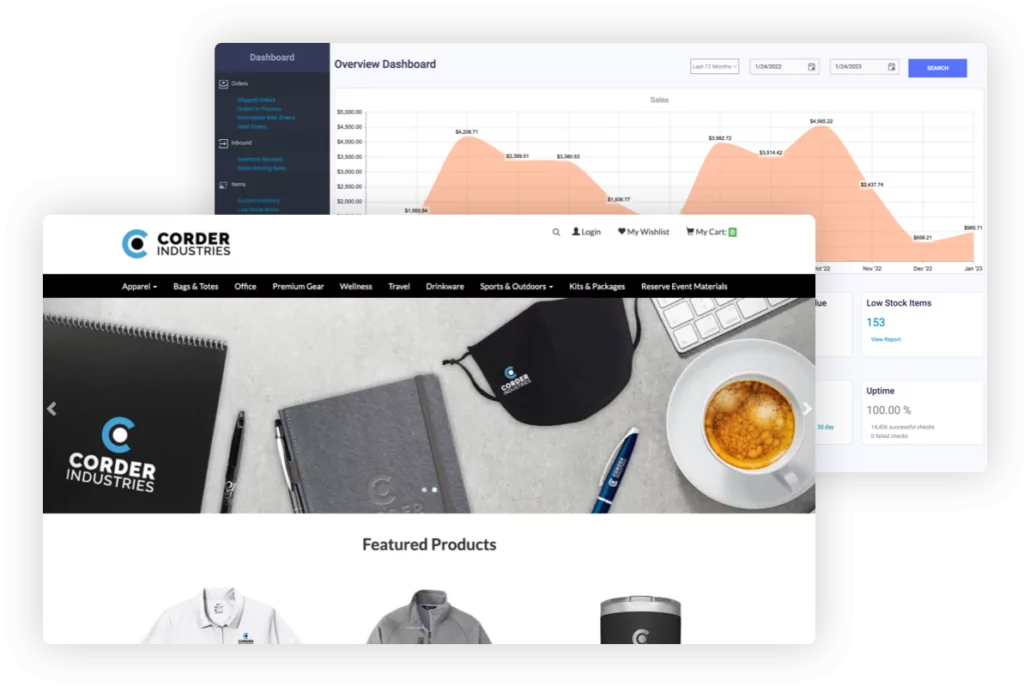
- Leverage swag management platforms for real-time visibility and better inventory management
- Balance bulk ordering with flexible purchasing to avoid excess stock in your swag warehouse
- Focus on high-quality corporate gifts and adjust strategies based on performance
Managing swag inventory effectively can be the difference between a high-performing merchandise program and one filled with wasted budget. Too often, companies overorder promotional products, underestimate demand, or fail to track usage—leading to dead stock sitting unused in a swag warehouse.
To avoid this, businesses need a smarter approach to swag management. This guide breaks down how to plan your corporate swag inventory so every item serves a purpose and delivers value.
What Is Swag Inventory?
Before diving into strategy, it’s important to define what is swag inventory.
At its core, swag inventory meaning refers to the tracking and management of branded items—such as apparel, giveaways, and corporate gifts—that a company uses for marketing, employee engagement, or events like a trade show.
This includes:
- Quantities on hand
- Storage locations (like a swag warehouse)
- Usage patterns across teams
Understanding this foundation is key to building a more efficient system.
Why Dead Stock Happens
Dead stock occurs when items in your corporate swag inventory aren’t used or distributed. This is often caused by:
- Ordering too many of the same promotional products
- Choosing items that don’t resonate with your audience
- Poor visibility into inventory levels
- Lack of coordination between departments
Without proper inventory management, even high-quality items can go unused.
Start with Demand-Based Planning
The most effective way to prevent dead stock is to align your swag inventory with actual demand.
Analyze Past Usage
Look at how your promotional products have performed:
- Which items were popular at your last trade show?
- Which corporate gifts were reordered?
- Which items are still sitting in your swag warehouse?
This data helps you make informed decisions instead of guessing.
Segment Your Inventory by Purpose
Not all swag serves the same role. A smart swag management strategy separates inventory into categories.
Common Segments Include
- Event-based items (for conferences or trade show giveaways)
- Employee-focused items (onboarding kits, recognition rewards)
- Client-facing corporate gifts
By segmenting your corporate swag inventory, you can plan more accurately and avoid overordering.

Balance Bulk Ordering with Flexibility
Bulk purchasing can lower costs—but it also increases risk.
Use a Hybrid Approach
Combine bulk inventory with flexible fulfillment options. For example:
- Keep high-demand promotional products stocked
- Use smaller runs or just-in-time ordering for niche items
This approach reduces the chance of excess inventory sitting in your swag warehouse.
Leverage Swag Management Platforms
Modern swag management platforms make it easier to control inventory and reduce waste.
Key Benefits
These platforms help you:
- Track real-time inventory levels
- Monitor usage trends
- Automate reordering
With better visibility, your inventory management becomes proactive instead of reactive.
Optimize Your Swag Warehouse Strategy
Your swag warehouse isn’t just storage—it’s a critical part of your operation.
Keep Inventory Organized
Clearly label and categorize items based on usage and demand. This makes it easier to:
- Locate products quickly
- Identify slow-moving inventory
- Avoid duplicate orders
An organized warehouse supports better swag management overall.
Plan for Events and Campaigns
Events are one of the biggest drivers of swag inventory usage.
Forecast Event Needs
Before a trade show or campaign, estimate:
- Expected attendance
- Quantity of promotional products needed
- Type of items that resonate with your audience
Accurate forecasting prevents both shortages and excess inventory.
Focus on Quality Over Quantity
One of the simplest ways to reduce dead stock is to invest in better items.
Choose Items People Actually Want
High-quality corporate gifts and useful promotional products are more likely to be used and appreciated.
Instead of ordering large quantities of low-value items, focus on fewer, better products that reflect your brand.
Monitor and Adjust Regularly
Effective swag management is an ongoing process.
Track Key Metrics
Regularly review:
- Inventory turnover rates
- Order frequency
- Product performance
If certain items aren’t moving, adjust your strategy before they become dead stock.
Avoid Common Swag Inventory Mistakes
Even with a plan in place, mistakes can happen.
Overordering for “Just in Case” Scenarios
This often leads to excess inventory that never gets used.
Ignoring Data
Without tracking performance, you can’t improve your inventory management.
Lack of Coordination
Different teams ordering separately can create duplication and waste.
Turning Inventory Planning into a Strategic Advantage
A well-managed corporate swag inventory does more than reduce waste—it improves efficiency, enhances brand perception, and maximizes ROI.
By combining data-driven planning, smart use of swag management platforms, and a thoughtful approach to promotional products, your business can eliminate dead stock and build a more effective program.
In the end, successful swag inventory planning ensures every item—from corporate gifts to trade show giveaways—serves a purpose. With the right strategy, your swag warehouse becomes a hub of value, not a storage space for unused products.